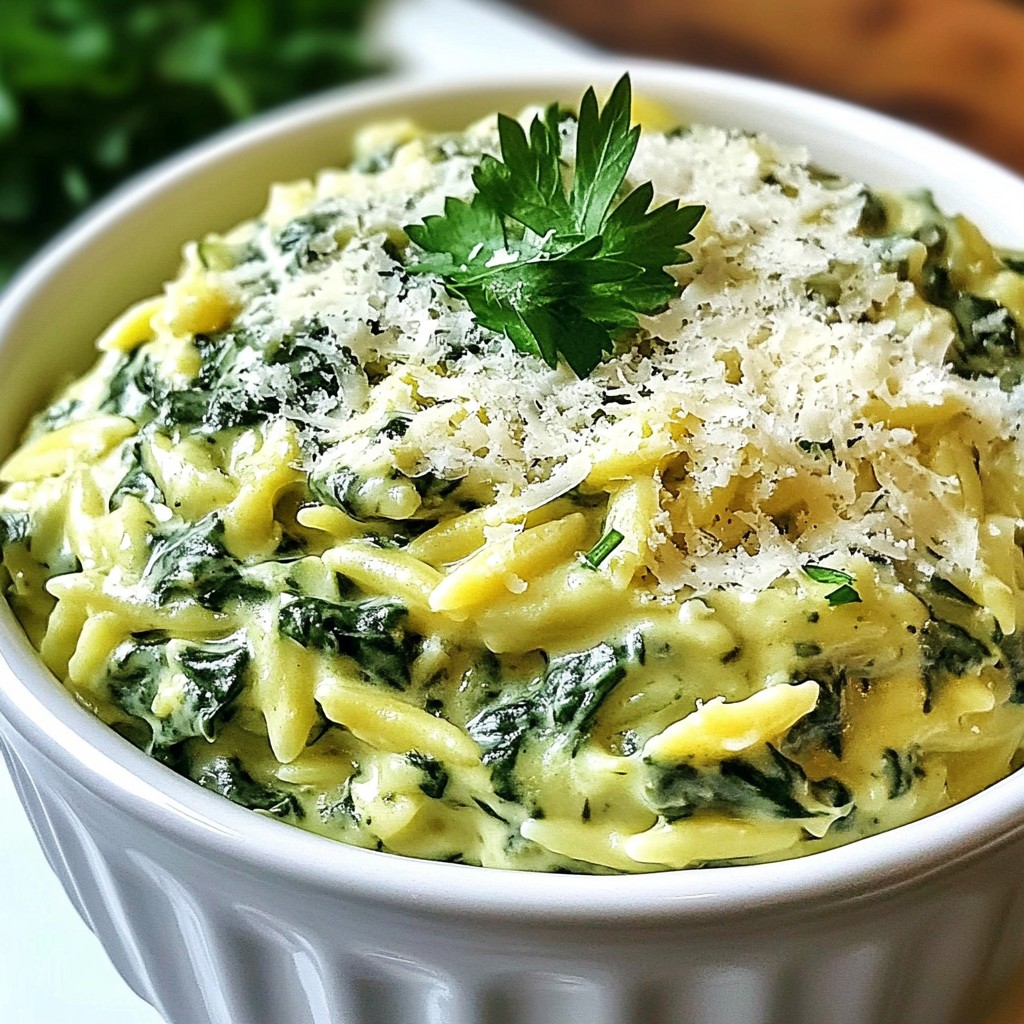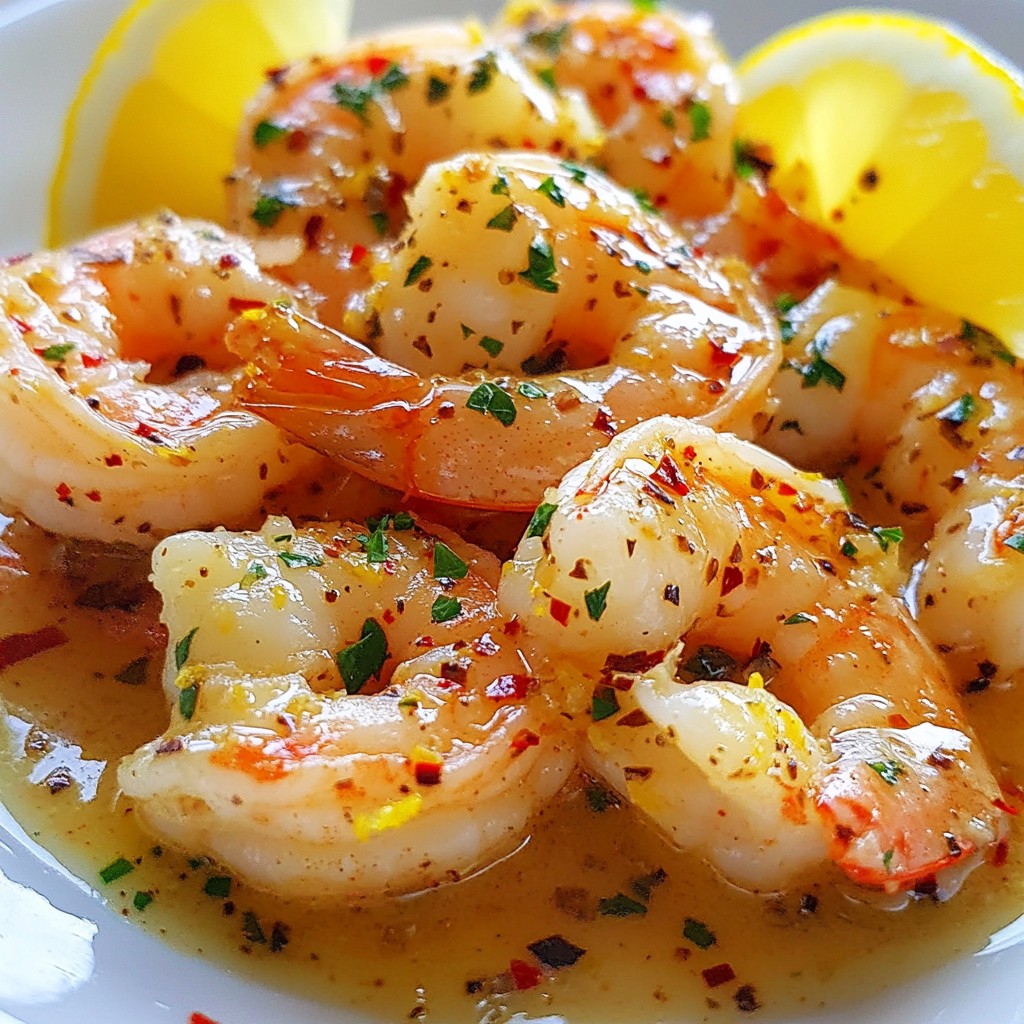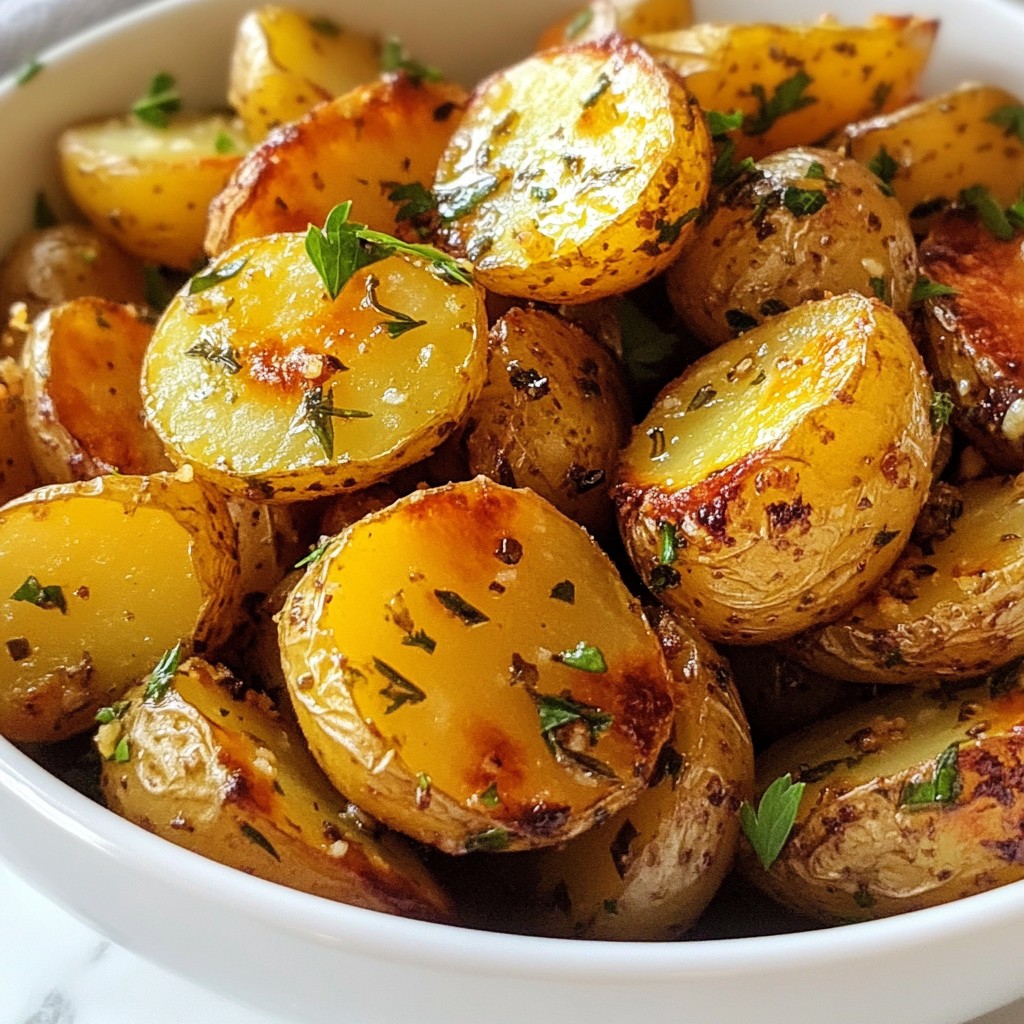
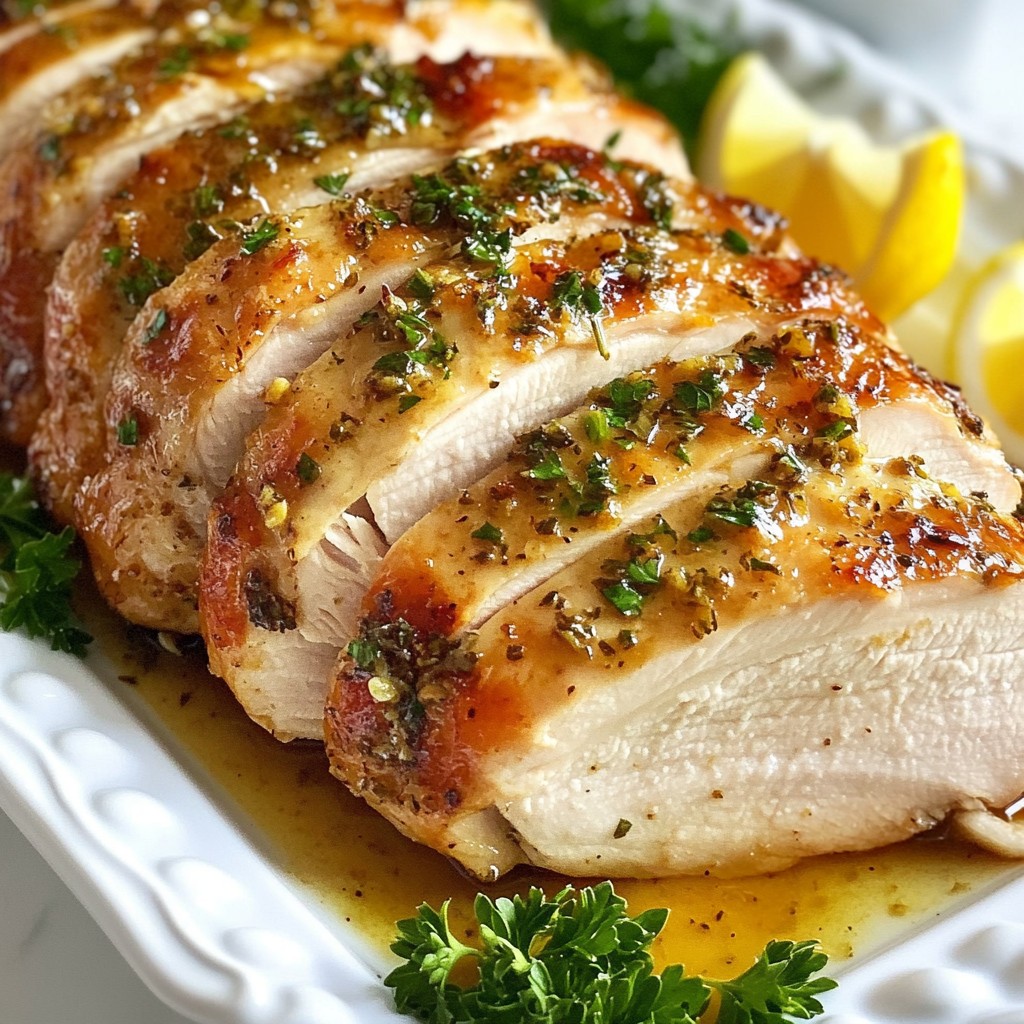
Are you ready to impress your family with a mouthwatering Garlic Herb Roasted Turkey Breast? This dish is fresh, juicy, and packed with flavor. Using simple ingredients like rosemary, thyme, and garlic, you can create a stunning meal that turns any gathering into a feast. In this guide, I'll share easy steps and tips to make your turkey unforgettable. Let’s dive in and elevate your cooking skills!
Why I Love This Recipe
- Incredible Flavor: This recipe combines fresh herbs and garlic, creating a mouthwatering aroma and taste that elevate the turkey to a whole new level.
- Moist and Tender: The method of rubbing the herb paste under the skin ensures that the turkey breast remains juicy and flavorful throughout the cooking process.
- Easy to Prepare: With minimal prep time and straightforward instructions, this recipe is perfect for both novice cooks and seasoned chefs.
- Impressive Presentation: Served on a beautiful platter with garnishes, this roasted turkey breast is sure to impress your guests during any special occasion.
Ingredients
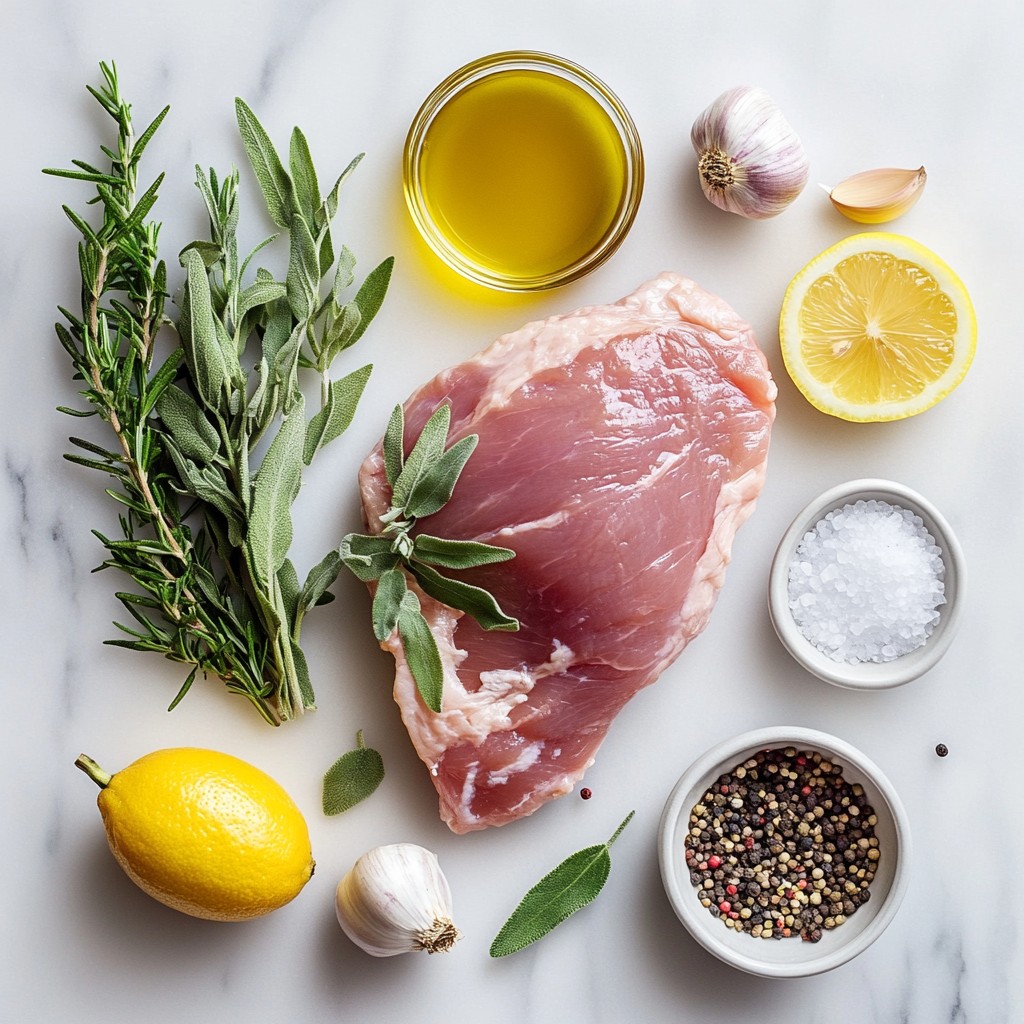
Main Ingredients
- Bone-in turkey breast (4-5 pounds)
- Olive oil
- Fresh herbs: rosemary, thyme, sage
Seasoning Components
- Garlic
- Lemon (zest and juice)
- Salt and black pepper
Additional Items
- Low-sodium chicken broth
- Optional garnish: fresh parsley
This recipe shines with simple yet bold flavors. The bone-in turkey breast is the star, weighing between 4 to 5 pounds. This cut keeps the meat moist and juicy. Olive oil adds richness and helps the herbs stick.
Fresh herbs bring life to this dish. I love using rosemary, thyme, and sage for their aromatic qualities. These herbs complement the turkey and create a savory scent.
Garlic is a must in this mix. It adds a punch of flavor. The zest and juice from the lemon brighten the dish, making it fresh and zesty.
Don't forget the salt and black pepper! They enhance all the other flavors.
For added moisture, I use low-sodium chicken broth. Pouring it into the roasting pan creates steam. This keeps the turkey tender while it roasts.
Finally, fresh parsley can make a lovely garnish. It adds color and a hint of flavor when serving.
Step-by-Step Instructions
Prepping the Turkey
- First, preheat your oven to 350°F (175°C). This helps cook the turkey evenly.
- In a bowl, combine 4 tablespoons of olive oil, 6 minced garlic cloves, 2 tablespoons of chopped rosemary, 2 tablespoons of chopped thyme, 1 tablespoon of chopped sage, lemon zest, lemon juice, salt, and pepper. Mix these to create a fragrant herb paste.
Seasoning the Turkey
- Use paper towels to pat the turkey dry. This helps the skin crisp up.
- Carefully slide your fingers under the turkey skin to create a pocket. Be gentle.
- Take half of the herb paste and rub it under the skin, spreading it well. Coat the skin with the rest of the paste for extra flavor.
Roasting Process
- Place the turkey breast, skin-side up, in a roasting pan.
- Pour 1 cup of low-sodium chicken broth into the pan. This keeps the turkey moist while it cooks.
- Roast the turkey for about 1.5 to 2 hours. Use a meat thermometer to check that it reaches 165°F (74°C).
- To keep the turkey juicy, baste it with the pan juices once or twice during cooking.
Tips & Tricks
Ensuring Juiciness
Resting your turkey is key for juicy meat. I suggest letting it rest for 15-20 minutes after roasting. This time allows the juices to settle back into the meat. If you skip this step, the juices may run out when you carve the turkey.
Using a meat thermometer is crucial. Insert it into the thickest part of the turkey breast. The temperature should read 165°F (74°C) for safe eating. This ensures the turkey is cooked through but not dry.
Flavor Enhancements
You can boost the herb paste with simple additions. Try adding a bit of Dijon mustard for a tangy kick. Or mix in some honey for a hint of sweetness. Both options will enhance the overall taste.
Adjust the seasoning to suit your taste. If you like more heat, add a pinch of red pepper flakes. If you prefer a milder flavor, reduce the garlic slightly. Taste the herb paste before applying it to find your perfect balance.
Presentation Tips
Garnishing makes a big difference in how your dish looks. Fresh parsley adds a nice pop of color. You can also use lemon wedges for brightness. Arrange these around the turkey on your serving platter.
When serving, slice the turkey breast into even pieces. Drizzle the pan juices on top to keep it moist. This not only adds flavor but also makes the dish visually appealing. Your guests will love the look and taste!
Pro Tips
- Resting the Turkey: Allow the turkey to rest after roasting for 15-20 minutes. This step is crucial as it lets the juices redistribute, ensuring that each slice is tender and juicy.
- Flavor Infusion: For an extra layer of flavor, consider adding a few sprigs of fresh herbs inside the cavity of the turkey breast before roasting. This will enhance the aroma and taste.
- Basting: Baste the turkey breast with the pan juices every 30 minutes while roasting. This technique not only adds moisture but also promotes a beautifully browned skin.
- Use a Meat Thermometer: Invest in a good meat thermometer to ensure your turkey is cooked perfectly. The internal temperature should reach 165°F (74°C) for safe consumption.
Variations
Herb Substitutions
You can use dried herbs instead of fresh ones. Dried herbs have a stronger taste. Use about one-third of the amount when substituting. For example, if a recipe calls for one tablespoon of fresh rosemary, use one teaspoon of dried rosemary.
If you want to try different flavors, consider these herbs:
- Oregano for a Mediterranean twist.
- Basil for a sweet, fragrant touch.
- Dill for a fresh, bright flavor.
These swaps can change the taste while keeping the dish delightful.
Cooking Methods
If you want to try a slow cooker, this method works well too. Simply follow the same steps for seasoning. Place the turkey in the slow cooker with broth and cook on low for 6–8 hours. This method keeps the turkey moist and tender.
Grilling is another fun option. It gives your turkey a smoky flavor. You can use indirect heat to cook it slowly. Aim for a grill temperature of about 350°F. Cook until it reaches 165°F inside.
Serving Suggestions
When serving, think about tasty sides. Roasted vegetables, mashed potatoes, or a fresh salad make great companions. You can also serve the turkey in sandwiches. Add some cranberry sauce and greens for a delicious lunch.
For a light meal, toss sliced turkey in a salad. Use mixed greens, nuts, and a light dressing. This adds freshness and crunch to your dish. Enjoy the flavors in many ways!
Storage Info
Storing Leftovers
To keep your garlic herb roasted turkey breast fresh, follow these steps:
- Refrigeration: Place leftovers in an airtight container. Store in the fridge for up to four days. This keeps the turkey moist and tasty.
- Freezing: If you want to save it longer, freeze the turkey. Wrap it tightly in plastic wrap, then in aluminum foil. It can last up to three months in the freezer. Just remember to label it with the date.
Reheating Guidelines
Reheating turkey can be tricky. Here are some simple methods to keep it juicy:
- Oven: Preheat the oven to 325°F (165°C). Place slices in a baking dish. Add a splash of chicken broth. Cover with foil and heat for about 20 minutes.
- Microwave: Use a microwave-safe plate. Add a little broth or water to keep moisture. Heat in short bursts, checking often.
To keep the turkey moist, avoid overheating. This can dry it out. Always aim for a warm, not hot, center.
Shelf Life
Knowing how long your leftovers last is key.
- Refrigerated leftovers: They last about four days. If you notice any off smells or a change in color, it's best to toss them.
- Frozen leftovers: They can last three months. After that, they may lose flavor and texture.
Watch for signs of spoilage, like a slimy texture or a strong odor. When in doubt, throw it out!
FAQs
What is the best seasoning for turkey?
The best seasoning for turkey includes garlic, herbs, and lemon. I love using fresh rosemary, thyme, and sage. This mix gives the turkey a rich flavor. Salt and black pepper also enhance the taste. You can adjust the herbs to match your taste. A good rule is to use one tablespoon of each herb per pound of turkey.
How do I know when my turkey breast is done?
You know the turkey is done when it reaches 165°F (74°C). Use a meat thermometer to check the thickest part. Insert it without touching the bone. The juices should run clear, not pink. If it’s undercooked, return it to the oven. This ensures the turkey is safe to eat.
Can I use a boneless turkey breast for this recipe?
Yes, you can use a boneless turkey breast. The cooking time will change, so check it often. A boneless breast cooks faster, usually around 1 to 1.5 hours. Season it the same way as the bone-in breast. The flavor will still be delicious and juicy.
How long should I let the turkey rest after cooking?
Let the turkey rest for 15 to 20 minutes after cooking. This step allows the juices to stay inside the meat. If you cut it right away, the juices will run out. Resting makes the turkey tender and moist. Cover it loosely with foil while resting to keep it warm.
In this post, I covered how to prepare a bone-in turkey breast. You learned about the key ingredients like olive oil and fresh herbs. I shared simple steps for seasoning and roasting, plus tips to ensure the turkey stays juicy. We explored variations and ways to store leftovers effectively.
The outcome is a delightful turkey dish perfect for any meal. With the right methods, you can make a tasty and moist turkey for your table. Happy cooking!